INITIATIVES TAKEN BY TANZANIA TO ADDRESS UNDERWATER RADIATED NOISE (URN)
Underwater Radiated Noise (URN) is an emerging environmental concern that affects marine ecosystems, especially in regions with active maritime traffic.
In the United Republic of Tanzania, where the Blue Economy is being expanded, including a focus on fisheries, tourism, and shipping, there is an increasing awareness of the potential impact of URN on marine life.
This article discusses Tanzania’s awareness of URN and highlights the initiatives being taken to mitigate this environmental concern, particularly from the perspective of the maritime administration.
AWARENESS ON UNDERWATER RADIATED NOISE (URN) IN TANZANIA
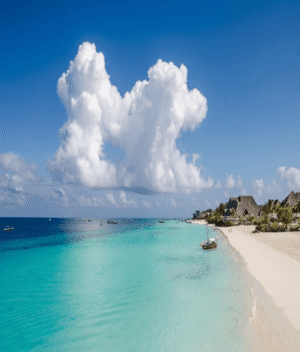
Tanzania, with its extensive coastline of 1424 km along the Indian Ocean, is deeply concerned with the environmental impact of maritime activities, including URN.
The country recognizes that noise pollution from ships, such as that caused by propellers, engines, and operational processes, can disrupt marine biodiversity.
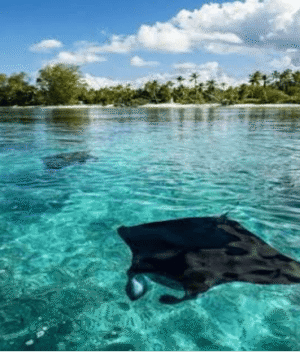
This disruption can be particularly harmful to marine life, especially fish species and marine mammals, as it interferes with their communication, navigation, and feeding patterns.
The Tanzanian government through Tanzania Fisheries Research Institute (TAFIRI), The Marine Parks and Reserves Authority (MPRA) and Tanzania Shipping Agencies Corporation (TASAC) has actively engaged in research, policy development, and international cooperation to address URN.
This growing awareness is reflected in the initiatives being undertaken by the government, including efforts to balance maritime development with environmental sustainability.
CURRENT INITIATIVES TAKEN BY TANZANIA TO ADDRESS UNDERWATER RADIATED NOISE (URN)
- Adoption Of International Standards:
Tanzania, through TASAC and in alignment with the IMO Circular MEPC.1/Circ.833, has acknowledged the importance of reducing Underwater Radiated Noise (URN) and is working towards incorporating international guidelines into its national regulatory frameworks. This includes the integration of noise reduction measures into new ship designs, focusing on quieter propulsion systems, hull designs, and the use of noise-absorbing materials.
- Development Of The Merchant Shipping (Ship Construction) Regulations:
TASAC in collaboration with the Ministry of Transport, is currently developing the Merchant Shipping (Ship Construction) Regulations, which will integrate noise reduction measures for all new ships to be built after the regulation is gazetted. In the development of these regulations, TASAC has carefully considered the IMO Circular MEPC.1/Circ.833 on Underwater Radiated Noise (URN), which provides guidelines to mitigate the impact of ship-generated noise on marine life.
These new regulations will require the adoption of quieter technologies, design modifications, and materials that minimize underwater noise pollution, aligning Tanzania’s maritime industry with international best practices. This initiative will ensure that all new vessels constructed in Tanzania contribute to the preservation of marine ecosystems by reducing the negative effects of URN, particularly on marine mammals and other sensitive marine species.
- Fish Aggregating Devices (FADs) installation:
In an effort to protect marine life, Tanzania has embarked on the installation of Fish Aggregating Devices (FADs) in key locations such as the Zanzibar Channel where 10 FADs has already been installed in Bagamoyo, while other 600 FADs to be installed in Mafia Channel, Mtwara Channel, and Pemba Channel. FADs have been strategically installed in areas away from major shipping routes to minimize the risk of URN affecting marine ecosystems, particularly fish species that depend on sound for communication.
FUTURE INITIATIVES TO ADDRESS UNDERWATER RADIATED NOISE (URN) IN THE REGION
- Development of URN regulations
Tanzania to finalize and adopt the Merchant Shipping (Ship Construction) Regulations, integrating provisions for noise reduction measures in all new ships built after the regulations are gazetted. These regulations will align with IMO Circular MEPC.1/Circ.833, ensuring compliance with international standards.
- Collaboration with IMO SDC
Tanzania to actively collaborate with the IMO Sub-Committee on Ship Design and Construction (SDC) to advocate for innovative ship designs and quieter technologies. Efforts will focus on promoting quieter propulsion systems, hull designs, and the development of sound-absorbing materials.
- Marine Spatial Planning (MSP)
Tanzania to continue implement Marine Spatial Planning and identify ecologically sensitive areas and designate zones to minimize the impact of URN. Fish Aggregating Devices (FADs) and marine conservation zones will be located far from busy shipping routes to protect marine biodiversity and critical habitats.
- Public awareness and engagement
Tanzania to launch awareness campaigns targeting ship operators, policymakers, and local communities to highlight the environmental impacts of URN. Collaboration with TAFIRI, Tanzania Port Authority (TPA), and the Marine Parks and Reserves Authority (MPRA) to ensure an inclusive approach to policy development and implementation.
- Regional collaboration
Tanzania is willing to work with neighboring countries and AAMA member states to share data, research, and best practices for URN mitigation. A regional framework is to be developed in order to harmonize policies and leverage technical and financial support from international organizations.
Recently Tanzania government with regional and international actors focuses on the need to manage anthropogenic noise from maritime traffic to protect marine ecosystems. The consensus indicates that as maritime traffic grows, Tanzania along with other East African nations need to prioritize the reduction of anthropogenic underwater noise to preserve biodiversity and ensure the long term health of its marine ecosystems.