TANZANIA’S BLUE ECONOMY AND ITS CORE SECTORS VITAL FOR ECONOMIC GROWTH, FOOD SECURITY, AND LIVELIHOOD CREATION
With around 16 million people relying on coastal resources, the blue economy has been crucial for poverty reduction, food security, and long-term sustainable development in Tanzania. Tanzania’s blue economy is the sustainable utilization, management, and preservation of its marine and inland water resources which are oceans, lakes, and rivers.
With 2024 National Blue Economy Policy, the country prioritizes mangrove restoration, sustainable marine spatial planning, and job creation to support coastal livelihoods. Tanzania’s blue economy is a vital, fast-growing sector focused on the sustainable use of marine and inland water resources, contributing approximately 11.9% to GDP and offering vast potential for tourism, fisheries, and aquaculture.
By prioritizing social inclusion and ecosystem health, Tanzania aims to transform these aquatic assets into central pillar for national economic development and climate resilience as the blue economy in Tanzania is rapidly growing sector which is supported by a 1,424 km coastline and significant freshwater lakes. The core sectors which are vital for economic growth, food security, and livelihood creation are as listed below:
- Marine transport and logistics
It is a critical sector for international trade, with major ports in Dar es Salaam, Tanga, and Mtwara managing over 90% of maritime port throughput. It includes shipping, port infrastructure operations, and freight services, with significant growth in passenger and cargo services on large lakes in Tanzania. As of 2025, the maritime sector is a key driver for both the mainland and Zanzibar where nearly 98% of international trade by volume is seaborne which making maritime logistics critical to its economic survival.
- Offshore oil and gas
This sector acts as a significant economic catalyst through investment, energy security, and revenue generation to supporting the country’s broader goal of sustainable marine resource utilization. Tanzania has significant potential in hydrocarbon resources, particularly with ongoing natural gas finds and exploration activities, notably in the Mtwara region. The sector evolving blue economy with approximately 57.54 trillion cubic feet (TCF) of natural gas discovered.
- Fisheries and Aquaculture
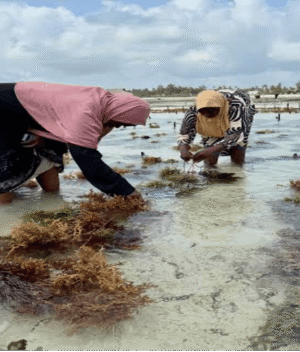
This is a cornerstone sector, encompassing marine (Indian ocean) and freshwater (Lake Victoria, Tanganyika, and Nyasa) fishing which provides 30% of animal protein nationally. It includes artisanal fishing, industrial deep-sea fishing, and a rapidly expanding aquaculture industry, particularly seaweed farming in Zanzibar which is the second largest exporter of seaweed.
- Coastal and Marine tourism
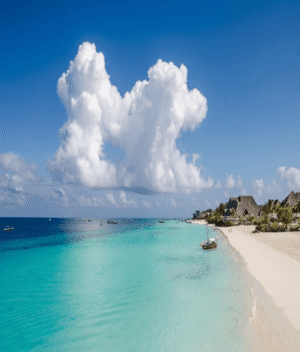
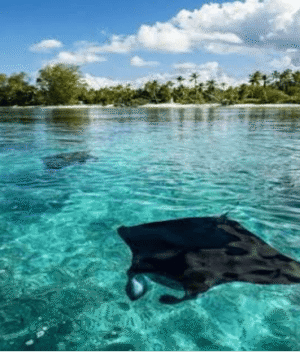
This sector is a major driver, especially in Zanzibar and coastal areas like Mafia and Bagamoyo. It includes beach tourism, diving, snorkeling, and cruise ship services. It functions as a leading cause of income, stimulating infrastructure development, supporting local small-to-medium enterprises (SMMEs), and fostering cross-cultural interactions. While estimates vary, it represents a substantial portion of the blue economy’s gross value added. Moreover, it incentivizes environmental conservation by elevating the value of marine ecosystems such as coral reefs and mangrove forests.
- Marine and coastal infrastructure
This includes boat-building yards, ice-making plants, cold-storage services, and the management of mangrove forests, coral reefs, and marine protected areas. Also investment in port expansion, fishing landing sites, and coastal tourism facilities acts as a trigger for growth, employment opportunities, and regional trade connectivity. Key infrastructure developments, particularly in ports, fisheries, and tourism, have been recognized as transformative engines for economic growth and employment especially in Zanzibar where the blue economy contributes nearly 60% of GDP.
- Marine biotechnology and value addition
This is an emerging sector which move beyond traditional fishing to create higher-value products, focused on seaweed processing (carrageenan), fish processing and packaging, and the creation of marine based agriculture products such as fertilizers, seaweed-based cosmetics, and improved aquaculture techniques that enhance local income and promote environmental sustainability.
These sectors are increasingly focused on sustainability, with Zanzibar taking a lead in creating a dedicated Ministry of Blue Economy and Fisheries in 2020 to manage these resources efficiently. Despite these sectors, the full potential of Tanzania’s blue economy is still hindered by infrastructure gaps thus it requiring continued investment in modern equipment and sustainable practices to secure its long-term growth and fully realize its potential by 2030.