This is a collaborative vision where the marine and coastal environment is ecologically healthy, resilient to climate change, and free from human-induced threats. Obviously it is not a formal, singular entity, but a policy goal pursued by regional bodies such as Nairobi Convention and WIOMSA. In the context of the Western Indian ocean, safe coastal community is multifaceted, covering both environment health and human/maritime security.
A safe coastal community is beyond just physical safety, it is characterized by the resilience to withstand, recover from, and adopt to, environmental stressors like storm surges, climate change while maintaining to improve the quality of life to those who located along marine or estuarine environments to adopt to environmental, economic, and social changes while ensuring the long-term well-being of its residents.
Center for Maritime Safety and Security in Tanzania as an entity to conduct research and raise awareness across the homeland and abroad, it is widely known that a safe coastal community is not overly dependent on a single industry but it diversifies its economy to ensure stability if one sector faces hardship. For instance combining fishing with sustainable tourism or renewable energy. This is what we call economic stability and diversity.
A safe coastal community is what we called resilience to natural hazards, as we continuing raising awareness it must regard and involves proactive disaster risk reduction, such as having effective emergency plans, early warning systems and robust or climate-proofed infrastructure to withstand natural hazards like tsunamis, erosion, and hurricanes. By doing so any regional or local collaborator can help to save lives and create a safe coastal community.
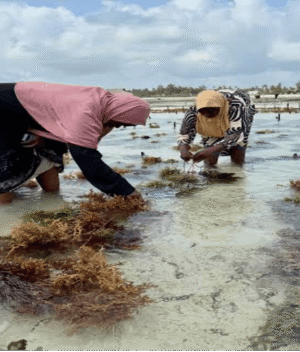
In essence, a safe coastal community involves a thriving sustainable livelihoods to help the community sustains its economic, social, and cultural practices by operating within environmental limits of its ecosystem and ensuring resources i.e fish stocks are available for future generations where human life is in balance with the surrounding coastal ecosystem to have access to resources, fair decision-making processes and support system during crises.
Center for Maritime Safety and Security in Tanzania is still working on specific data on the exact number of Tanzanians who know or live in safe coastal communities, campaign on significant safety improvements in coastal areas to protect regions from rising sea levels and erosion, major safety initiatives which involving constructing coastal defense structures, particularly to mitigate risks from rising sea levels, which directly impacts the security and stability of coastal inhabitants.
However the research will involving coastal tribes in Tanzania which are primarily situated along the Indian Ocean in Dar es salaam, Pwani, and Tanga regions. Major coastal groups which will be included in the research are Zaramo and Zigua who are predominantly inhabits the coastal region including Tanga and Dar es Salaam in Tanzania.
A safe, stable, and sustainable Western Indian Ocean coastal region is critically important for the livelihoods of people living within its shores. It safeguards a gross marine product, support vital food security, maritime trade, and protects globally significant biodiversity. Securing this region mitigates risks from illegal activity, climate change, and habitat loss while ensuring long-term prosperity for the blue economy.
WHY A SAFE COASTAL COMMUNITY OF WESTERN INDIAN OCEAN MATTERS
Being more than just a geographic zone; it is a primary engine for the socioeconomic development of its bordering nations. Its importance is defined by several pillars:
- Maritime security
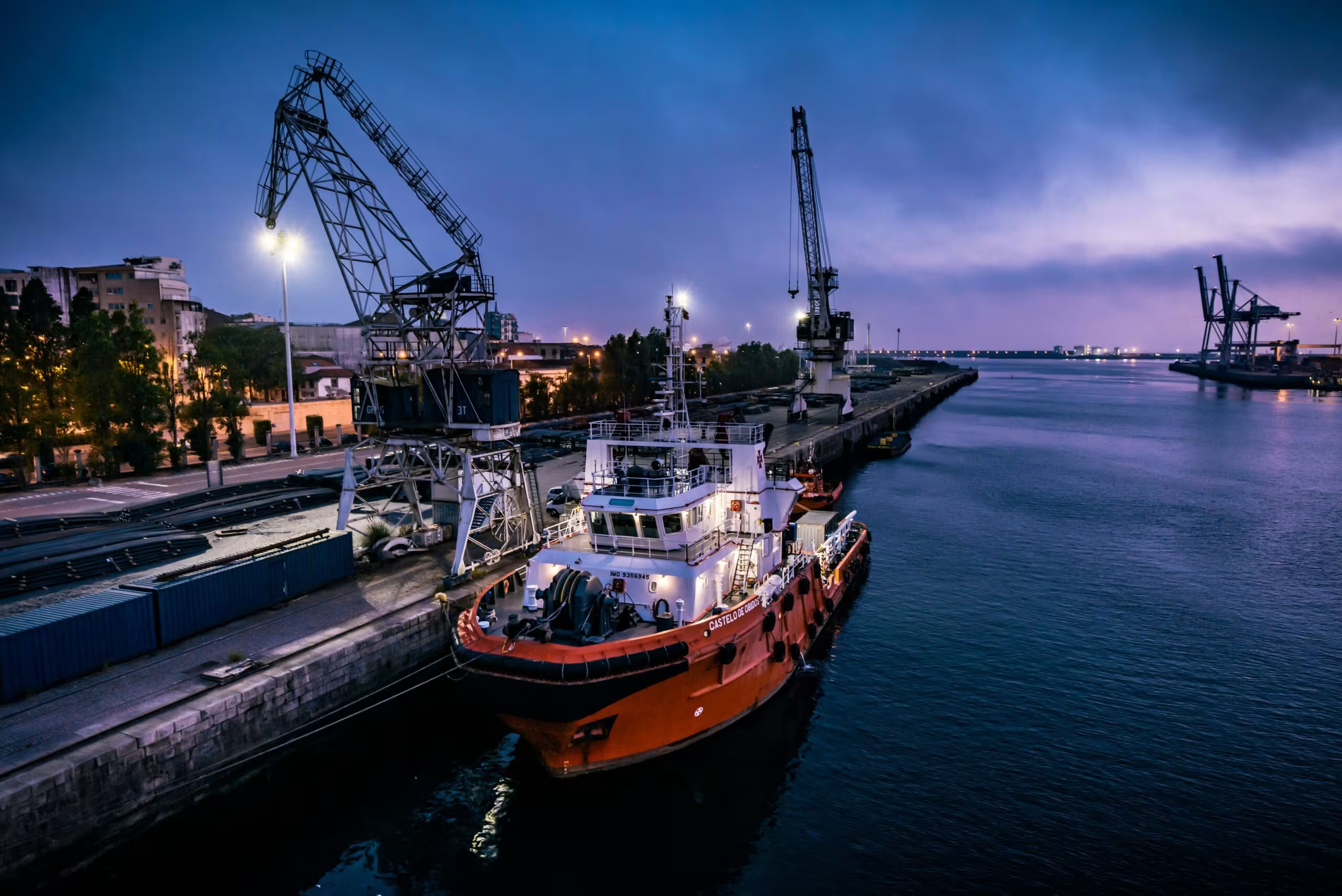
The Indian Ocean is a global strategic artery, with a significant percentage of the world’s oil and gas shipments passing through its waters. A safe coastal region prevents the proliferation of illicit trade, piracy, and instability, which can otherwise threaten both national sovereignty and international trade routes.
- Economic stability and the Blue Economy
The region’s natural capital is estimated to be worth as a safe, well-managed coast allows the sustainable development of fisheries, tourism, and maritime shipping which are essential sector for economic diversification.
- Environmental resilience
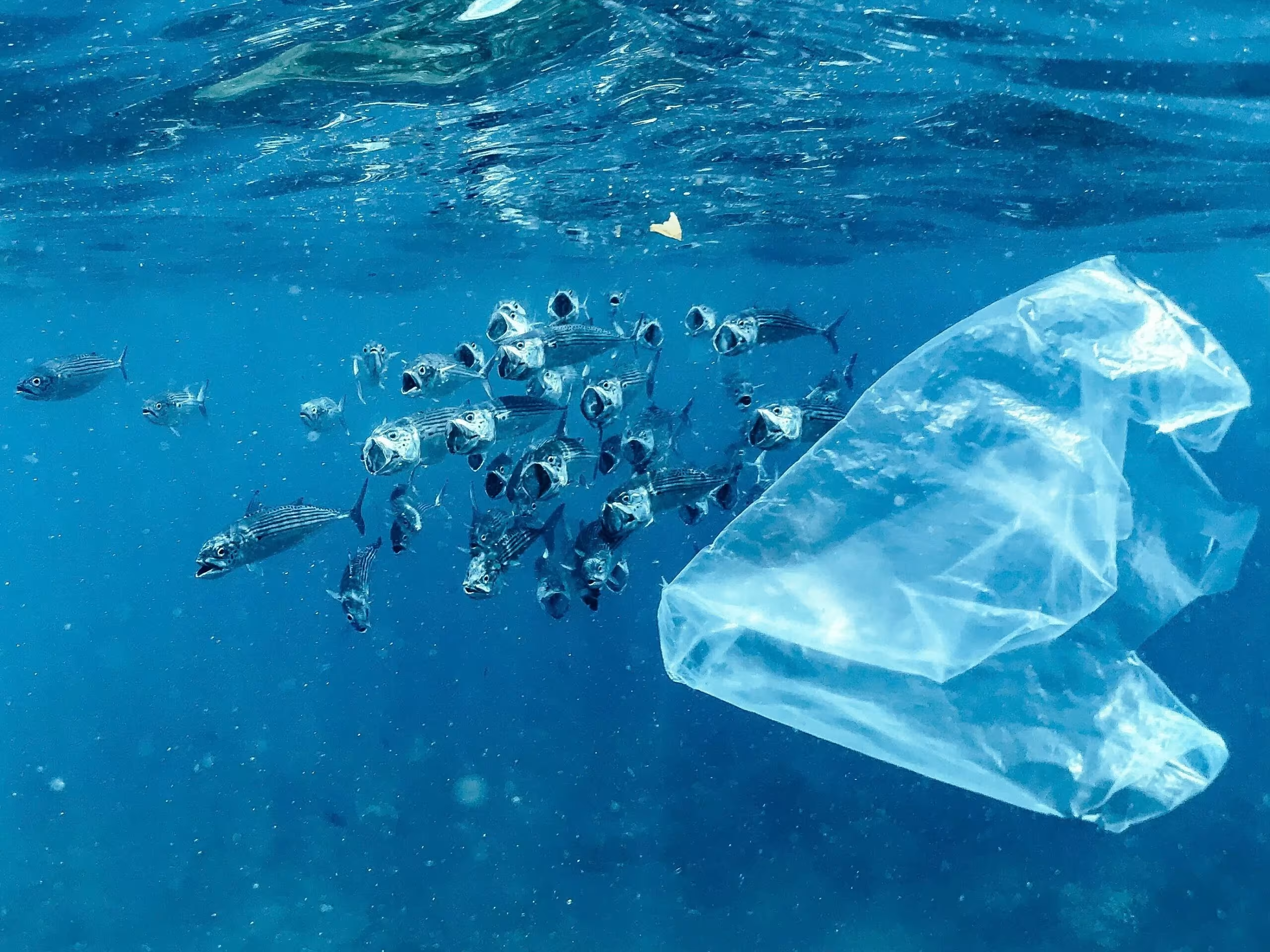
Healthy coastal ecosystems such as mangroves, seagrasses, and coral reefs act as natural buffers against storms and coastal erosion. They also serve as critical carbon sinks to helping the region fight climate change. Ensuring safety involves protecting these habitats from pollution, overexploitation, and unplanned urban development.
- Social Cohesion
Reducing competition for dwindling resources such as water and fish through collaborative management include Marine Protected Areas and Locally Managed Marine Areas help reduce inter-communal tensions and promote regional peace.
- Food and Livelihood security
Millions of people depend on the ocean for protein and daily income. When coastal areas are safe and ecosystems are healthy, fishing stocks remain resilient, preventing the poverty and food shortages often exacerbated by illegal, ureported, and unregulated (IUU) fishing.
While these issues cross borders, countries in the Western Indian ocean region cooperate through frameworks like the Nairobi Convention. This collective effort is essential for creating enabling environments where sustainable policies can be enforced, data can be shared to inform decision-making, and region can transition toward a prosperous, stable future.
Tanzania is a central player of a safe coastal community through maritime security and ecological conservation in the Western Indian Ocean, leveraging its 1,424km coastline to advance blue economy goals while strengthening regional partnership to ensure a safe, secure, and sustainable marine environment. The country is currently bolstering its maritime domain awareness and counter-illicit trafficking capacity with strategic investments in its navy and partnership with international actors.